.BESwkItx.svg)
.BsOtZXJZ.svg)


.DDDvVA6M.svg)

.CXHK89EX.svg)



.DNyc9mlT.svg)
Wishes Eid Milad Un Nabi: Meaningful Messages & Celebration Guide
Eid Milad Un Nabi : Heartfelt Wishes That Truly Matter
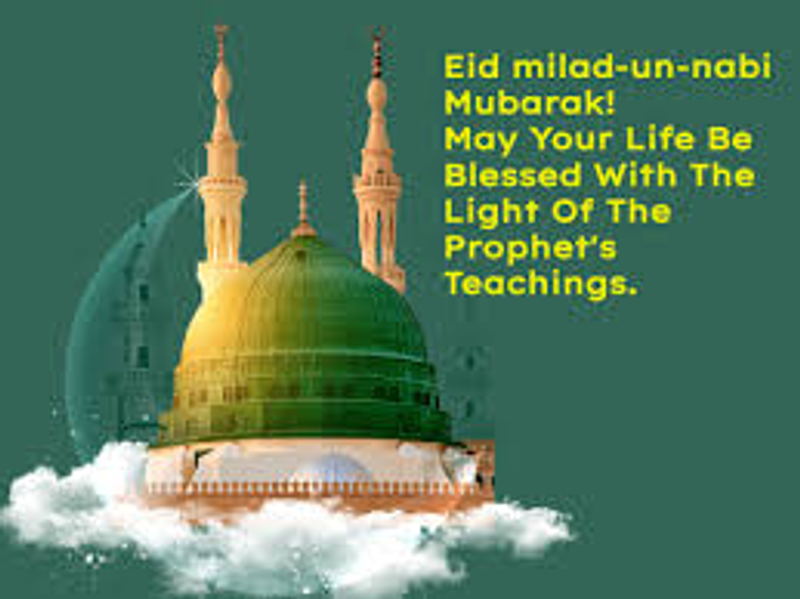
Eid Milad Un Nabi, also known as Mawlid, is more than just a date on the Islamic calendar—it’s a deeply spiritual occasion that honors the birth and teachings of Prophet Muhammad. For millions around the world, it’s a time to reflect, connect, and share meaningful messages that embody compassion, peace, and unity. Whether you're sending greetings to loved ones or crafting content for your audience, understanding the essence of this celebration is key.
In this guide, we’ll explore how to craft and share thoughtful wishes Eid Milad Un Nabi, why they matter, and how you can make your messages resonate with sincerity and warmth. Let’s dive into the history, significance, and practical ways to express your heartfelt sentiments.
💡 Quick Note: Earn rewards and Money
If you enjoy articles like this, Palify.io runs a gamified hub where you can earn rewards and money simply by creating an account and contributing to knowledge challenges. Share ideas and articles, participate in skill games, and climb the leaderboard while learning cutting-edge AI skills. Sign Up Now before it’s too late.
The Significance of Eid Milad Un Nabi
Eid Milad Un Nabi falls on the 12th day of Rabi' al-Awwal, the third month in the Islamic lunar calendar. It commemorates the birth of Prophet Muhammad, born in Mecca around 570 CE, whose teachings continue to inspire generations.
Why This Day Matters
It’s a moment to reflect on the Prophet’s life, values, and legacy.
Communities come together through prayers, processions, and charitable acts.
It’s a time to share messages of peace, empathy, and spiritual growth.
Cultural and Global Observance
From India to Indonesia, and Egypt to the UK, Eid Milad Un Nabi is celebrated with regional variations. Some communities host public lectures, while others focus on family gatherings and mosque visits. Regardless of geography, the heart of the celebration remains the same: honoring the Prophet’s message of love and equality.
How to Craft Meaningful Wishes Eid Milad Un Nabi
Sending wishes during Eid Milad Un Nabi isn’t just a formality—it’s a way to spread joy, reinforce values, and strengthen bonds. Here’s how to make your messages truly impactful.
Tips for Writing Heartfelt Wishes
Start with a Blessing Example: “May the light of Prophet Muhammad’s teachings guide your path always.”
Include a Personal Touch Mention the recipient’s name or a shared memory to make it feel genuine.
Reflect the Spirit of the Occasion Use words like peace, compassion, unity, and gratitude.
Keep It Concise Yet Meaningful A short message can be powerful if it’s sincere.
Sample Wishes Eid Milad Un Nabi
“Wishing you a serene Eid Milad Un Nabi filled with peace and gratitude.”
“May the Prophet’s wisdom inspire you to lead with kindness and empathy.”
“On this blessed day, may your prayers be fulfilled and your heart be at peace.”
These examples are inspired by traditional greetings shared across cultures.
Sharing Wishes Across Platforms
Whether you're posting on social media, sending a WhatsApp message, or writing a blog, tailoring your wishes to the platform enhances their impact.
Social Media Tips
Use relevant hashtags like #EidMiladUnNabi #Mawlid2025
Pair your message with a visually appealing image (e.g., mosque, crescent moon, calligraphy)
Keep captions short and engaging
WhatsApp & SMS
Opt for warm, direct language
Add emojis to convey emotion 🌙✨🕌
Consider sending audio messages for a personal touch
Email & Blog Content
Include a brief historical context
Offer multilingual versions for wider reach
Add alt text to images for accessibility and SEO
wishes eid milad un nabi: Making Your Messages Inclusive
Inclusivity matters—especially when your audience spans different cultures and languages. Here’s how to ensure your wishes resonate universally.
Multilingual Greetings
Hindi: “ईद मिलाद उन नबी की हार्दिक शुभकामनाएं।”
Urdu: “عید میلاد النبی مبارک ہو”
Gujarati: “ઈદ મિલાદ ઉન નબી ની શુભકામનાઓ”
Kannada: “ಈದ್ ಮಿಲಾದ್ ಉನ್ ನಬಿ ಹಬ್ಬದ ಶುಭಾಶಯಗಳು”
Accessibility Tips
Use alt text for images (e.g., “Crescent moon with Eid Milad Un Nabi greeting in Urdu”)
Avoid overly decorative fonts that hinder readability
Ensure color contrast for visually impaired readers
Additional Insights: Going Beyond the Greeting
Wishes are just the beginning. Let’s explore how you can deepen your engagement during Eid Milad Un Nabi.
Hosting a Virtual Celebration
Organize a Zoom prayer session or storytelling event
Share reflections on the Prophet’s teachings
Encourage participants to share their own wishes
Creating Content That Educates
Write blog posts on the history of Mawlid
Share quotes from the Prophet on compassion and justice
Curate a list of charitable organizations to support
Incorporating SEO Best Practices
Use the target keyword “wishes Eid Milad Un Nabi” in headings and image alt text
Maintain a keyword density of 1–2% without stuffing
Structure content with clear H2 and H3 tags for readability
FAQ Section
What is the meaning of Eid Milad Un Nabi?
Eid Milad Un Nabi marks the birth anniversary of Prophet Muhammad. It’s a day of spiritual reflection, community gatherings, and sharing messages of peace.
How do I write meaningful wishes Eid Milad Un Nabi?
Focus on sincerity, blessings, and values like compassion and unity. Personalize your message and keep it concise.
Can I send Eid Milad Un Nabi wishes in different languages?
Absolutely. Multilingual greetings make your message more inclusive and culturally respectful.
What are some popular wishes Eid Milad Un Nabi?
Examples include: “May the Prophet’s teachings illuminate your path,” and “Wishing you peace and prosperity on this blessed day.”
Is it appropriate to post Eid Milad Un Nabi wishes on social media?
Yes, sharing wishes online is a great way to spread positivity. Just ensure your message is respectful and culturally sensitive.
Conclusion
Eid Milad Un Nabi is a beautiful opportunity to honor the life and legacy of Prophet Muhammad through heartfelt messages and meaningful actions. Whether you're sending a simple text or crafting a multilingual blog post, your wishes can uplift, inspire, and connect.
Remember, the most powerful wishes Eid Milad Un Nabi are those that reflect sincerity, inclusivity, and the timeless values the Prophet stood for. So go ahead—share your light, spread your blessings, and let your words make a difference.