.BESwkItx.svg)
.BsOtZXJZ.svg)


.DDDvVA6M.svg)

.CXHK89EX.svg)



.DNyc9mlT.svg)
Prem Mandir Vrindavan Mathura – Temple of Divine Love & Architecture
Prem Mandir Vrindavan Mathura – Temple of Divine Love & Architecture
Introduction
If you've ever felt drawn to places that radiate peace, devotion, and architectural brilliance, then Prem Mandir Vrindavan Mathura should be on your travel radar. Nestled in the sacred town of Vrindavan in Uttar Pradesh, this temple is more than just a religious site—it's a celebration of divine love, spiritual artistry, and cultural heritage.
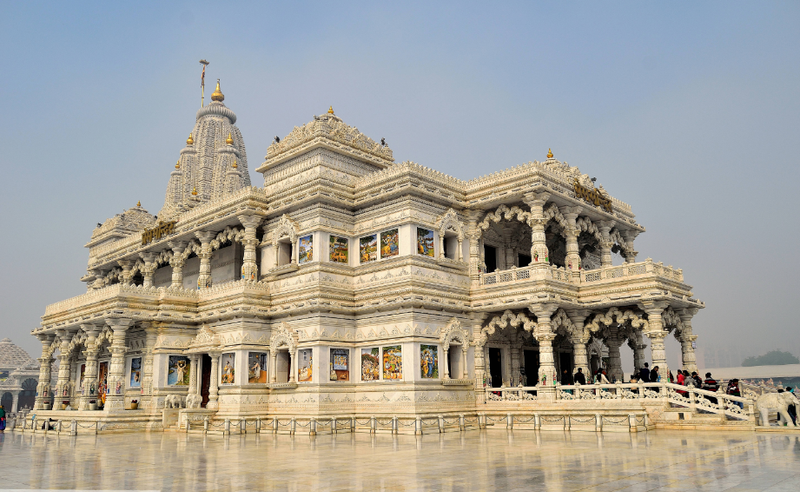
Whether you're a pilgrim seeking blessings, a traveler chasing serenity, or a photographer looking for that perfect shot, Prem Mandir at Vrindavan offers something truly special. In this guide, we'll explore everything you need to know—from its history and architecture to practical travel tips and spiritual insights. So, let's embark on a journey to one of India's most mesmerizing temples.
💡 Quick Note:
If you enjoy articles like this, Palify.io runs a gamified hub where you can earn rewards and money simply by creating an account and contributing to knowledge challenges. Share ideas and articles, participate in skill games, and climb the leaderboard while learning cutting-edge AI skills. Sign Up Now before it’s too late.
Prem Mandir Vrindavan Mathura: A Temple of Divine Love
The Origins and Vision Behind Prem Mandir: Prem Mandir in Vrindavan, meaning "Temple of Love," was founded by Jagadguru Shri Kripalu Ji Maharaj and inaugurated in 2012. Built entirely from Italian white marble, the temple is dedicated to Radha Krishna and Sita Ram, symbolizing eternal love and devotion.
Jagadguru Kripalu Parishat, a spiritual and charitable trust, maintains the temple. It spans over 54 acres and features lush gardens, musical fountains, and intricate carvings that depict scenes from Krishna's life.
Architectural Marvel Material: Italian white marble, known for its purity and elegance.
Design: A blend of Rajasthani and Gujarati styles with intricate carvings.
Levels: Ground floor houses Radha Krishna; the upper floor is dedicated to Sita Ram.
Depictions: Life-size sculptures of Krishna's leelas—Govardhan lifting, Ras Leela, and more.
Spiritual Significance Prem Mandir in Vrindavan isn't just visually stunning—it's spiritually enriching. The temple's ambiance, devotional music, and detailed storytelling through art make it a place of reflection and connection.
Temple Architecture Details of Prem Mandir
Structural Design and Layout
The architectural grandeur of Prem Mandir is a testament to divine craftsmanship. The temple follows a unique architectural pattern that combines traditional Indian temple design with modern construction techniques.
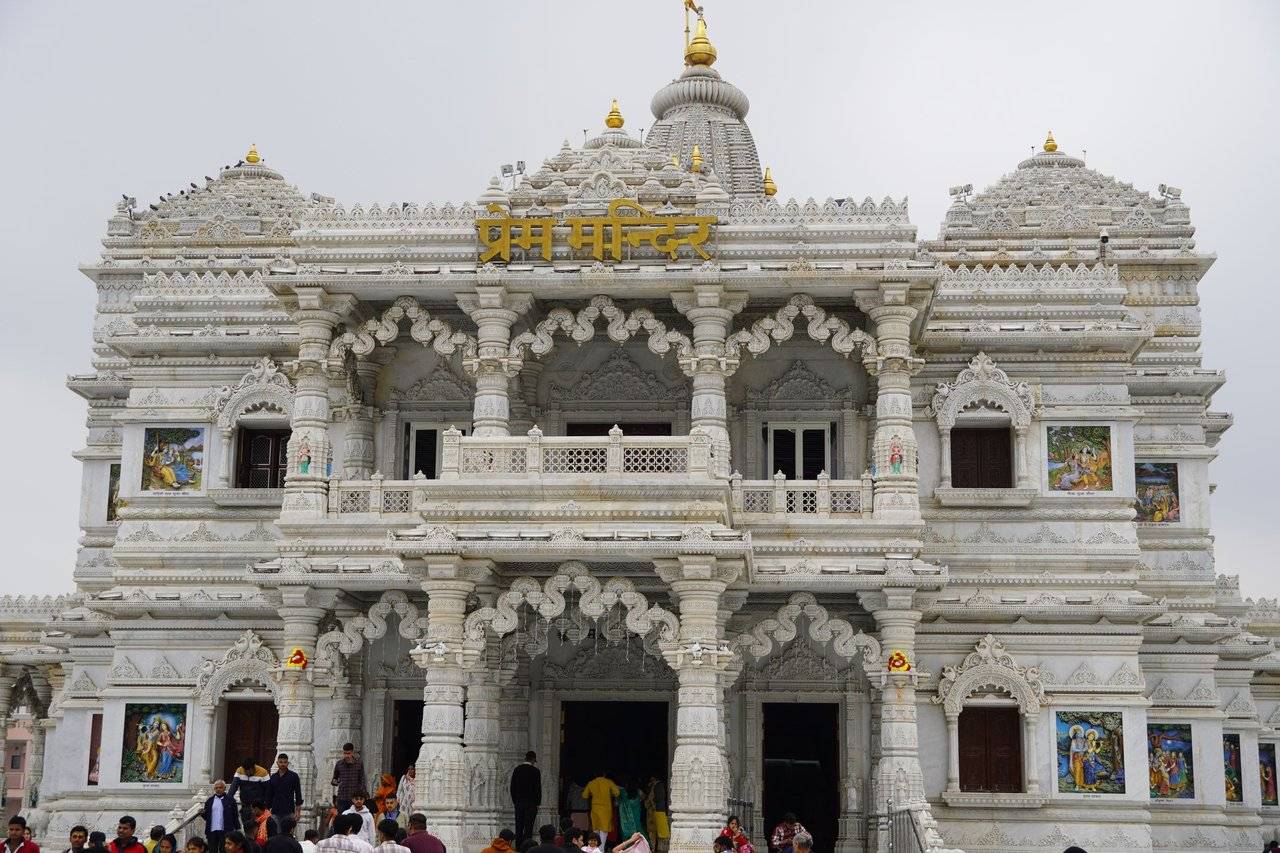
Main Structure:
Height: 125 feet tall with intricate spires (shikharas)
Base: Constructed on a raised platform measuring 285 feet in length and 220 feet in width
Domes: Multiple ornate domes with gold-plated kalash at the top
Pillars: 84 intricately carved pillars supporting the main structure
Marble Craftsmanship
The Italian Carrara marble used in construction was chosen for its pristine white color and durability. Every piece was hand-carved by skilled artisans from Rajasthan, featuring:
Intricate Carvings:
Over 94 pillars with unique designs depicting different episodes from Krishna's life
Detailed floral patterns and geometric designs covering walls and ceilings
Life-size sculptures of gopis, gopas, and various divine personalities
Delicate jali work (lattice screens) allowing natural light to filter through
Architectural Elements
Entrance Gates: Four ornate entrance gates facing different directions, each telling a different story from Hindu scriptures
Sanctum Sanctorum: The main altar houses the deities in a temperature-controlled environment with specialized lighting
Ceiling Work: Hand-painted and carved ceilings depicting celestial scenes and divine pastimes
Visitor's Guide to Prem Mandir
Pre-Visit Planning
Booking and Reservations:
No advance booking required for general darshan
Special darshan can be arranged through the temple office
Group visits (20+ people) should inform temple administration in advance
Security and Entry Procedures
Items Not Allowed:
Mobile phones (free locker facility available at entry)
Cameras (photography allowed only in designated areas)
Leather items, including belts, wallets, and shoes
Food items and water bottles
Dress Code:
Traditional Indian attire is preferred
Western wear is acceptable if modest
Shorts, sleeveless tops, and revealing clothing are not permitted
Head covering recommended for women
Navigation Inside the Temple
Ground Floor: Begin with darshan of Radha Krishna deities, participate in aarti if timing permits
Upper Floor: Visit Sita Ram shrine, spend time in meditation
Gardens: Explore the peripheral gardens and sculpture gallery
Satsang Hall: Check the schedule for spiritual discourses and bhajan sessions
Facilities Available
Free wheelchair service for elderly and disabled visitors
Drinking water stations throughout the complex
Clean restroom facilities
First aid center with trained staff
Information center with multilingual guides
Personal Experience Tips from Me
Best Times for Peaceful Darshan
From my multiple visits to Prem Mandir, I've discovered that early morning hours (6:00-7:30 AM) offer the most serene experience. The temple is less crowded, and you can spend quality time in meditation and prayer.
Photography Opportunities
Golden Hour Magic: The hour before sunset creates stunning photographs with warm light illuminating the white marble
Light Show Positioning: Arrive 30 minutes before the light show begins to secure a good viewing spot. The fountain area provides the best panoramic view
Detail Shots: Focus on the intricate carvings during daytime visits—each pillar tells a unique story
Spiritual Experience EnhancementMeditation Spots: I found the upper floor Sita Ram shrine particularly peaceful for meditation
Bhajan Participation: Don't hesitate to join the community bhajan sessions—even if you don't know the words, the energy is uplifting
Garden Walks: The peripheral gardens are perfect for contemplative walks, especially during evening hours
Practical WisdomFootwear Management: Wear easy-to-remove shoes, as you'll be taking them off frequently
Weather Considerations: Carry an umbrella during the monsoon season and light cotton clothes in summer
Local Interaction: The temple volunteers are extremely helpful—don't hesitate to ask for guidance
Timing Strategy: Plan to spend at least 3-4 hours to fully experience the temple complex
Near Attractions of Prem Mandir
Within Vrindavan (0-5 km)
Banke Bihari Temple (2 km): The most famous Krishna temple in Vrindavan, known for its unique deity and devotional atmosphere
ISKCON Vrindavan (3 km): Modern temple complex with beautiful architecture and excellent facilities
Radha Vallabh Temple (2.5 km): Ancient temple dedicated to Radha Vallabh, significant for the Radhavallabh sect
Govind Dev Temple (2 km): Historic temple with stunning red sandstone architecture
Within Mathura District (5-15 km)
Krishna Janmabhoomi Temple, Mathura (12 km): The birthplace of Lord Krishna, a most significant pilgrimage site
Dwarkadhish Temple, Mathura (13 km): Famous for its grand celebrations and beautiful deity
Vishram Ghat, Mathura (14 km): Sacred bathing ghat on the Yamuna River where Krishna rested
Mathura Museum (13 km): Houses rare artifacts and sculptures from the Mathura school of art
Extended Day Trips (15-80 km)
Barsana (45 km): Radha's birthplace, famous for Lathmar Holi celebrations
Nandgaon (50 km): Krishna's childhood home, connected to Barsana through various leelas
Gokul (15 km): Where Krishna spent his early childhood with foster parents
Taj Mahal, Agra (70 km): World-famous monument, perfect for combining spiritual and heritage tourism
Recommended Route PlanningSingle Day: Prem Mandir → Banke Bihari → ISKCON → Krishna Janmabhoomi
Two Days: Day 1 - Vrindavan temples; Day 2 - Mathura and Yamuna ghats
Extended Trip: Include Barsana, Nandgaon, and Agra for a comprehensive spiritual and cultural experience
FAQ
Q: What is the best time to visit Prem Mandir Vrindavan?
A: The Ideal time for Prem Mandir is October to March, when the weather is pleasant. For daily visits, early morning (5:30-7:30 AM) or evening (6:00-8:30 PM) is recommended to avoid crowds and experience the serene atmosphere.
Q: Are there any accommodation facilities near Prem Mandir?
A: Yes, Vrindavan offers various accommodation options from budget guesthouses to luxury hotels. Many are within 1-2 km of Prem Mandir. The temple trust also operates guest houses for devotees.
Q: What should I wear when visiting Prem Mandir?
A: Modest, traditional clothing is preferred. Avoid shorts, sleeveless tops, and revealing outfits. Western wear is acceptable if conservative. A head covering is recommended for women.
Q: Can I attend the evening light show every day?
A: The light and sound show happens daily, starting around 7:30 PM (timing may vary by season). It's free for all visitors and lasts approximately 20-25 minutes.
Q: What is the significance of the architecture at Prem Mandir?
A: The temple architecture represents divine love through intricate carvings depicting Krishna's life stories. Built with Italian marble and traditional Indian design, it combines spiritual symbolism with artistic excellence.
Planning Your Visit to Prem Mandir Vrindavan Mathura
Best Time to Visit Season: October to March offers pleasant weather.
Festivals: Janmashtami and Radhastami are celebrated with grandeur.
Evenings: The light and sound show after sunset is a must-see.
Temple Timings Morning: 5:30 AM – 12:00 PM
Evening: 4:30 PM – 8:30 PM
Light Show: Begins around 7:30 PM daily
Entry and Accessibility Entry Fee: Free
Accessibility: Wheelchair-friendly paths and guides available
Photography: Allowed, but respectful behavior is expected
How to Reach By Train: The Nearest station is Mathura Junction (approx. 12 km)
By Road: Well-connected via NH-2; taxis and buses available
By Air: Nearest airport is Agra (approx. 70 km)
Exploring the Prem Mandir Complex
Main Temple The heart of Prem Mandir at Vrindavan is its central shrine, where devotees gather for darshan and aarti. The marble idols of Radha Krishna and Sita Ram are adorned with vibrant clothes and jewelry, creating a divine spectacle.
Gardens and Pathways Surrounding the temple are beautifully landscaped gardens with fountains and sculptures. These depict various episodes from Krishna's life, offering both visual delight and spiritual education.
Satsang Hall, Adjacent to the temple, is a massive dome-shaped hall that can accommodate up to 25,000 people. It hosts spiritual discourses, bhajan sessions, and cultural events.
Light and Sound Show Every evening, the temple transforms into a glowing marvel. Thousands of LED lights illuminate the structure, while devotional music and water fountains create a mesmerizing experience.
Tips for a Meaningful Visit: Arrive early to avoid crowds and enjoy a peaceful darshan.
Stay for the evening light show—it's a highlight.
Dress modestly and respect temple customs.
Carry water and wear comfortable shoes for walking.
Consider hiring a local guide for deeper insights.
Additional Insights into Prem Mandir Vrindavan Mathura
Symbolism in Design: Every element of Prem Mandir Vrindavan's architecture carries meaning. The carvings aren't just decorative—they narrate stories of divine love, sacrifice, and dharma.
Govardhan Leela: Symbolizes protection and divine strength.
Ras Leela: Represents the joy of spiritual union.
Makhan Chori: Highlights Krishna's playful nature and divine charm.
Connection to the Bhakti Movement Prem Mandir at Vrindavan is deeply rooted in the Bhakti tradition, emphasizing love and devotion over ritual. It's a living testament to the teachings of saints like Mirabai, Surdas, and Kripalu Ji Maharaj.
Sister Temples Prem Mandir Vrindavan is part of a trio of temples established by Kripalu Ji Maharaj:
Bhakti Mandir (Pratapgarh): Opened in 2005
Kirti Mandir (Barsana): Opened in 2019
Each temple celebrates different aspects of divine love and devotion.
Conclusion
Prem Mandir at Vrindavan Mathura is more than just a temple—it's a sanctuary of love, devotion, and divine artistry. From its gleaming marble architecture to its spiritually charged atmosphere, every corner of this temple invites you to pause, reflect, and connect.
Whether you're planning a pilgrimage, a cultural exploration, or a peaceful retreat, Prem Mandir Vrindavan offers an experience that's both enriching and unforgettable. So pack your bags, open your heart, and let the divine love of Radha Krishna guide your journey.
Learn More about Prem Mandir by where is prem mandir
If you want to learn about Khatu Shyam, please visit khatu shyam ji mandir