.BESwkItx.svg)
.BsOtZXJZ.svg)


.DDDvVA6M.svg)

.CXHK89EX.svg)



.DNyc9mlT.svg)
Nuakhai Juha: Celebrating Odisha’s Harvest Festival with Tradition and Joy
Nuakhai Juha : A Celebration of Harvest, Heritage, and Heart
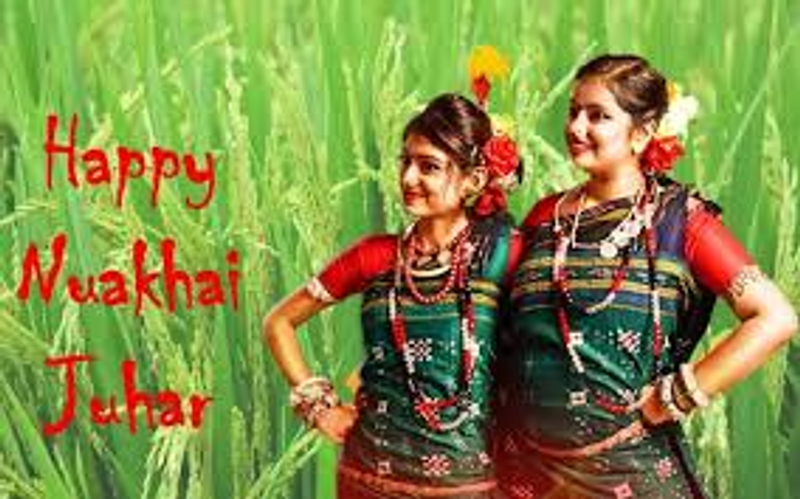
Every year, as the monsoon retreats and the fields of Odisha glisten with golden grains, communities come together to celebrate a festival that’s as nourishing to the soul as it is to the land—Nuakhai Juha. This vibrant harvest festival, deeply rooted in agrarian traditions, is more than just a ritual; it’s a heartfelt expression of gratitude, unity, and cultural pride.
Whether you're a traveler seeking authentic experiences or someone curious about India’s regional festivals, understanding Nuakhai Juha opens a window into the rhythms of rural life and the spiritual connection between people and the earth. In this blog, we’ll explore the origins, rituals, and modern-day celebrations of Nuakhai Juha, offering actionable insights on how to participate meaningfully.
Let’s dive into the essence of Nuakhai Juha and discover why it continues to thrive in the hearts of millions.
💡 Quick Note:
If you enjoy articles like this, Palify.io runs a gamified hub where you can earn rewards and money simply by creating an account and contributing to knowledge challenges. Share ideas and articles, participate in skill games, and climb the leaderboard while learning cutting-edge AI skills. Sign Up Now before it’s too late.
What is Nuakhai Juha?
Nuakhai Juha is an annual harvest festival celebrated predominantly in Western Odisha and parts of neighboring Jharkhand. The term “Nuakhai” comes from two Odia words—“nua” meaning new and “khai” meaning food—symbolizing the first consumption of the season’s newly harvested rice.
Historical Roots and Cultural Significance
The festival is believed to have tribal origins, later embraced by Hindu communities across Odisha.
Traditionally observed the day after Ganesh Chaturthi, Nuakhai falls on the Panchami Tithi of the lunar fortnight, typically in late August or early September.
In 2025, Nuakhai Juha will be celebrated on August 28.
Where It’s Celebrated
While Nuakhai is recognized across Odisha, it holds special significance in districts like:
Sambalpur
Balangir
Bargarh
Kalahandi
Sundargarh
Nuapada
Jharsuguda
Boudh
Sonepur
These regions host elaborate ceremonies, dances, and community feasts that reflect the festival’s deep cultural roots.
Rituals and Traditions of Nuakhai Juha
Nuakhai Juha is not just a day—it’s a season of preparation, prayer, and celebration.
Pre-Festival Preparations
Villagers begin preparations 15 days in advance.
Elders gather at sacred spots and blow trumpets to mark the beginning of the season.
Homes are cleaned, granaries are decorated, and traditional attire is readied.
The Day of Nuakhai
The head of the family offers milk and flowers to the newly harvested paddy and Mother Earth.
This rice is then offered to the family deity or village temple.
After the offering, the rice is shared among family members, symbolizing unity and gratitude.
Nuakhai Bhetghat: Community Bonding
Public gatherings called “Nuakhai Bhetghat” are organized across towns and villages.
People greet each other with “Nuakhai Juha,” a respectful and affectionate salutation.
Cultural performances, especially Sambalpuri folk dances like Rasarkeli, Dalkhai, and Maelajada, bring communities together.
Nuakhai Juha in Modern Times
While the essence of Nuakhai remains unchanged, its celebration has evolved to embrace modern sensibilities.
Urban Celebrations
In cities, families gather for festive meals and exchange greetings.
Cultural associations organize events to keep traditions alive among younger generations.
Tourism and Cultural Exchange
Nuakhai has become a magnet for cultural tourism.
Travelers can experience authentic Odia hospitality, cuisine, and rituals.
Local artisans showcase handicrafts, textiles, and culinary delights during the festival.
Digital Celebrations
Social media platforms buzz with Nuakhai wishes, photos, and live streams of temple rituals.
Diaspora communities celebrate virtually, sharing memories and recipes.
How to Celebrate Nuakhai Juha Meaningfully
Whether you're in Odisha or halfway across the globe, here are some ways to honor the spirit of Nuakhai Juha:
Participate in Local Events
Attend a Nuakhai Bhetghat or temple ceremony.
Engage with local communities to understand the rituals firsthand.
Cook Traditional Dishes
Prepare Odia delicacies like Pakhala Bhata, Dalma, and Chhena Poda.
Use newly harvested rice to honor the tradition.
Share Greetings
Say “Nuakhai Juha” to friends and family.
Send personalized messages or create digital cards to spread joy.
Support Local Artisans
Buy Sambalpuri textiles or handmade crafts.
Promote local businesses that thrive during the festive season.
Document the Experience
Capture photos, write blog posts, or create videos to preserve and share the celebration.
Use hashtags like #NuakhaiJuha to connect with others online.
Additional Insights into Nuakhai Juha
Nuakhai Juha is more than a harvest festival—it’s a cultural philosophy.
Spiritual Dimensions
The offering of rice is symbolic of surrendering to divine forces.
It reinforces the belief that prosperity comes from harmony with nature.
Social Impact
The festival strengthens familial and community bonds.
It encourages intergenerational dialogue and cultural continuity.
Economic Relevance
Boosts local economies through tourism, agriculture, and handicrafts.
Encourages sustainable farming and traditional food practices.
FAQ Section
What does “Nuakhai Juha” mean?
“Nuakhai Juha” is a traditional greeting exchanged during the Nuakhai festival. “Nua” means new, “khai” means food, and “juha” is a respectful salutation. Together, it symbolizes the joy of sharing the new harvest.
When is Nuakhai Juha celebrated in 2025?
Nuakhai Juha will be celebrated on August 28, 2025, the day after Ganesh Chaturthi.
How is Nuakhai different from other harvest festivals?
Unlike pan-Indian harvest festivals, Nuakhai is deeply localized to Western Odisha and emphasizes community bonding through rituals, dance, and shared meals.
Can tourists participate in Nuakhai celebrations?
Absolutely! Many villages and towns welcome tourists to join in the festivities. It’s a great opportunity to experience authentic Odia culture.
What are some traditional dishes prepared during Nuakhai?
Popular dishes include:
Pakhala Bhata (fermented rice)
Dalma (lentils with vegetables)
Chhena Poda (baked cheese dessert)
Saaga Bhaja (stir-fried greens)
Conclusion
Nuakhai Juha is a celebration of life, land, and legacy. It’s a festival that transcends rituals to become a heartfelt expression of gratitude and togetherness. Whether you’re a native Odia or a curious traveler, participating in Nuakhai Juha offers a chance to reconnect with nature, community, and culture.
As we approach August 28, 2025, let’s embrace the spirit of Nuakhai Juha—not just as a festival, but as a philosophy of mindful living and shared abundance. Say it loud, say it proud: Nuakhai Juha!