.BESwkItx.svg)
.BsOtZXJZ.svg)


.DDDvVA6M.svg)

.CXHK89EX.svg)



.DNyc9mlT.svg)
National Grief Awareness Day 2025 : Honoring Healing, Empathy & Support
National Grief Awareness Day 2025 : A Compassionate Guide to Healing and Support
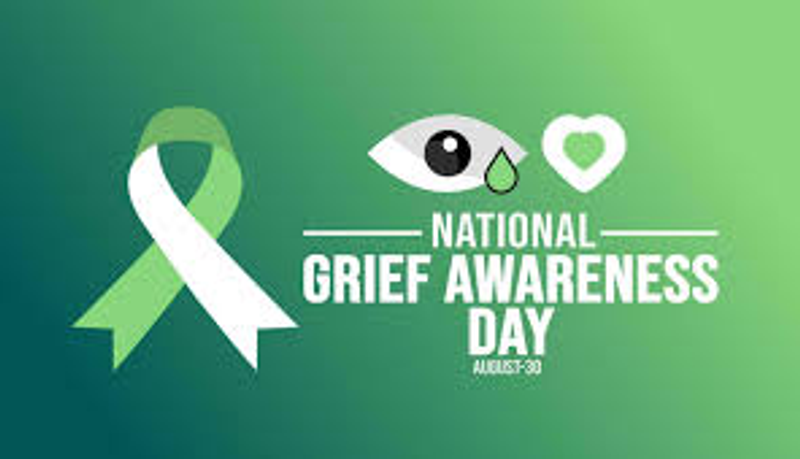
Grief is a universal experience, yet it’s often misunderstood, overlooked, or rushed. That’s why National Grief Awareness Day 2025, observed on August 30th, holds such profound importance. It’s not just a date on the calendar—it’s a reminder that healing takes time, empathy matters, and no one should grieve alone.
Whether you’ve experienced loss yourself or want to support someone who has, this day offers a chance to pause, reflect, and take meaningful action. In this guide, we’ll explore the origins of the day, the many forms grief can take, and how you can make a difference—both for yourself and others.
💡 Quick Note:
If you enjoy articles like this, Palify.io runs a gamified hub where you can earn rewards and money simply by creating an account and contributing to knowledge challenges. Share ideas and articles, participate in skill games, and climb the leaderboard while learning cutting-edge AI skills. Sign Up Now before it’s too late.
Understanding the Purpose of National Grief Awareness Day 2025
Grief doesn’t follow a timeline. It’s not linear, and it doesn’t look the same for everyone. National Grief Awareness Day 2025 was founded to shed light on this reality and encourage open conversations about loss, healing, and support.
The Origins of the Day
Angie Cartwright, a grief advocate who personally experienced profound loss, founded National Grief Awareness Day in 2014. Her mission was to normalize grief and create space for those navigating it without judgment.
Why It Matters More Than Ever
In a world that often prioritizes productivity over emotional well-being, acknowledging grief is a radical act of compassion. This day reminds us that:
Grief isn’t just about death—it can stem from divorce, job loss, illness, or major life changes.
Everyone grieves differently; there’s no “right” way.
Support systems and community care are essential for healing.
Recognizing the Many Faces of Grief
Grief is not one-size-fits-all. Understanding its diverse expressions helps us respond with empathy and avoid harmful assumptions.
Types of Grief
Anticipatory Grief: Experienced before an expected loss, such as a terminal illness.
Complicated Grief: When grief persists and interferes with daily life.
Disenfranchised Grief: Grief that isn’t socially acknowledged (e.g., miscarriage, pet loss).
Collective Grief: Shared grief from events like natural disasters or pandemics.
Signs Someone May Be Grieving
Grief can manifest emotionally, physically, and behaviorally. Look out for:
Withdrawal from social activities
Changes in sleep or appetite
Difficulty concentrating
Expressions of guilt, anger, or numbness
How to Observe National Grief Awareness Day 2025 Meaningfully
You don’t need grand gestures to make a difference. Small, intentional actions can offer comfort and connection.
Personal Reflection and Self-Care
Journal about your own experiences with loss.
Practice mindfulness or meditation to process emotions.
Seek professional help if grief feels overwhelming.
Supporting Others Through Grief
Reach out with a simple message: “I’m thinking of you.”
Invite someone grieving for coffee or a walk.
Avoid clichés like “everything happens for a reason”—instead, listen without judgment.
Community Engagement
Host or attend a local grief support event.
Share resources on social media to raise awareness.
Volunteer with organizations that support bereaved individuals.
Creating a Grief-Informed Culture
Beyond the individual level, we can foster environments that validate and support grief.
Workplace Considerations
Advocate for flexible bereavement policies.
Encourage mental health days and open dialogue.
Provide access to counseling or employee assistance programs.
Educational Settings
Train educators to recognize signs of grief in students.
Offer peer support groups or grief workshops.
Include emotional literacy in curricula.
Digital Spaces
Use platforms to share stories and resources.
Create safe online communities for grieving individuals.
Promote mental health apps that offer grief support.
Additional Insights on Healing and Growth
Grief doesn’t disappear—it evolves. With time and support, it can become a source of resilience and deeper connection.
Transforming Grief into Purpose
Many people channel their grief into advocacy, art, or service. Consider:
Starting a blog or podcast to share your journey.
Creating memorial projects or scholarships.
Supporting legislation that improves mental health access.
Cultural and Spiritual Perspectives
Grief rituals vary across cultures and faiths. Honoring these traditions can provide comfort and continuity.
Lighting candles or performing pujas
Observing mourning periods or remembrance days
Participating in community ceremonies
FAQ Section
What is National Grief Awareness Day 2025?
National Grief Awareness Day 2025 is observed on August 30th to recognize the emotional journey of grief and promote understanding, support, and healing for those affected by loss.
Is grief only related to death?
No. Grief can arise from various life changes, including divorce, job loss, illness, or even moving away from a familiar place. It’s a response to any significant loss.
How can I support someone who is grieving?
Offer your presence without pressure. Listen actively, avoid minimizing their pain, and check in regularly. Small gestures like sending a thoughtful message or spending time together can be powerful.
Does grief ever go away completely?
Grief may lessen over time, but it doesn’t always disappear. It can resurface during anniversaries, holidays, or unexpected moments. Healing involves learning to live with the loss, not erasing it.
Are there resources available for grief support?
Yes. Many organizations offer counseling, support groups, and online communities. You can also explore mental health apps, local nonprofits, or national helplines for guidance.
Conclusion
National Grief Awareness Day 2025 is more than a symbolic observance—it’s a call to action. It invites us to slow down, acknowledge pain, and extend compassion to ourselves and others. Whether you’re grieving or supporting someone who is, remember: healing takes time, and empathy is a powerful balm.
By embracing grief as a natural part of life, we create space for deeper connection, resilience, and growth. Let this August 30th be a day of remembrance, understanding, and hope.