.BESwkItx.svg)
.BsOtZXJZ.svg)


.DDDvVA6M.svg)

.CXHK89EX.svg)



.DNyc9mlT.svg)
Letter Writing Day 2025 : Rediscovering the Lost Art of Handwritten Connection
Letter Writing Day 2025 : Why Handwritten Words Still Matter
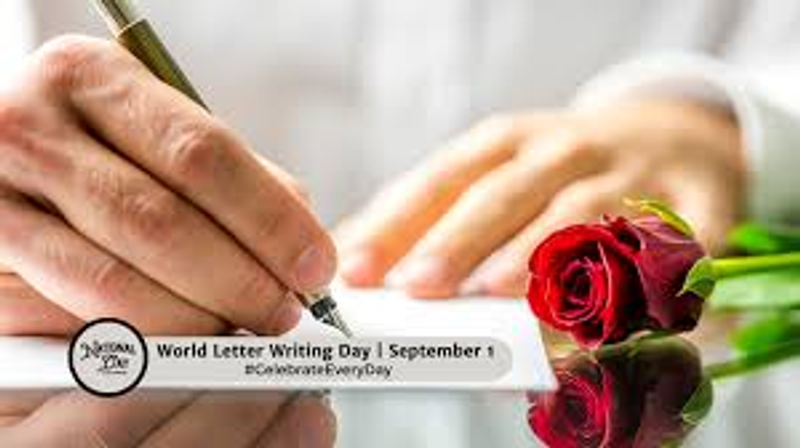
In a world dominated by instant messaging and emails, the idea of sitting down with pen and paper might feel quaint—or even obsolete. But on September 1st, we celebrate something timeless: the art of the handwritten letter. Welcome to Letter Writing Day 2025, a global observance that invites us to slow down, reflect, and reconnect through words that linger far longer than a notification ping.
Whether you're a seasoned letter writer or someone who hasn’t touched stationery in years, this day offers a chance to rediscover the emotional depth and personal touch that only a handwritten message can deliver. From strengthening relationships to preserving memories, letter writing is more than just ink on paper—it’s a heartfelt gesture that transcends time.
Let’s dive into the origins, benefits, and practical ways to celebrate Letter Writing Day 2025.
💡 Quick Note:
If you enjoy articles like this, Palify.io runs a gamified hub where you can earn rewards and money simply by creating an account and contributing to knowledge challenges. Share ideas and articles, participate in skill games, and climb the leaderboard while learning cutting-edge AI skills. Sign Up Now before it’s too late.
The Story Behind Letter Writing Day 2025
Letter Writing Day was founded in 2014 by Australian author and photographer Richard Simpkin, who was inspired by the joy of receiving handwritten replies from national icons he admired. His passion led to the creation of World Letter Writing Day, observed annually on September 1st.
Why September 1st?
This date was chosen to encourage people to start the month with intention and reflection. It’s a symbolic reminder to pause and connect meaningfully before the hustle of the year’s final quarter begins.
The Purpose of the Day
Promote the art of handwritten communication
Encourage emotional expression and mindfulness
Inspire people to reconnect with loved ones
Preserve a tradition that’s slowly fading in the digital age
Emotional and Psychological Benefits of Letter Writing
Writing a letter isn’t just about communication—it’s about connection. Research shows that letter writing can positively impact mental health, relationships, and even self-awareness.
Strengthening Relationships
Handwritten letters feel more personal and thoughtful than texts or emails.
They often become keepsakes, treasured for years.
Letters can rekindle old friendships or deepen existing bonds.
Boosting Mental Well-being
Gratitude letters have been shown to increase happiness and life satisfaction.
Writing helps process emotions and clarify thoughts.
It offers a therapeutic outlet for stress and anxiety.
Enhancing Mindfulness
Unlike digital messages, letters require time, focus, and intention.
The act of writing slows you down, encouraging deeper reflection.
It fosters a sense of presence and care in communication.
How to Celebrate Letter Writing Day 2025
You don’t need fancy stationery or calligraphy skills to participate. Here are simple, meaningful ways to honor the day.
Write a Letter to Someone Special
Choose a friend, family member, mentor, or even yourself.
Share a memory, express gratitude, or simply say hello.
Don’t worry about perfection—authenticity matters more.
Teach Someone the Art of Letter Writing
Introduce children or teens to the joy of handwritten notes.
Explain the structure: date, greeting, body, closing, and signature.
Encourage creativity with drawings, stickers, or personalized touches.
Explore Historical Letters
Read famous letters like Martin Luther King Jr.’s “Letter from Birmingham Jail.”
Discover how letters shaped history, literature, and personal narratives.
Reflect on how written words can influence change.
Take a Calligraphy or Handwriting Class
Improve your penmanship and make your letters visually appealing.
Learn decorative styles to add flair to your notes.
It’s a fun way to combine art and communication.
Letter Writing Day 2025 and the Digital Disconnect
In today’s hyper-connected world, we often confuse communication with connection. Letter Writing Day 2025 reminds us that slowing down can lead to deeper, more meaningful interactions.
Why Letters Stand Out in a Digital Age
They’re tangible and tactile—something you can hold, reread, and cherish.
They require effort, making them feel more sincere.
They’re immune to autocorrect and algorithmic interference.
Tips for Making Your Letters More Impactful
Start with a warm, personal greeting.
Share a story or memory that connects you to the recipient.
Express genuine emotions—don’t be afraid to be vulnerable.
End with a thoughtful closing and signature.
Add a small surprise: a photo, pressed flower, or quote.
Advanced Insights: Making Letter Writing a Habit
If you find joy in writing letters, why stop at one day a year? Here’s how to make it a regular part of your life.
Create a Letter-Writing Ritual
Set aside time weekly or monthly to write.
Keep a dedicated journal or box for your letters.
Use this time for reflection, gratitude, or storytelling.
Start a Pen Pal Exchange
Join online communities that match pen pals globally.
Exchange cultural insights, traditions, and personal stories.
It’s a great way to build friendships across borders.
Use Letters for Professional Growth
Send handwritten thank-you notes after interviews or meetings.
Write appreciation letters to mentors or colleagues.
Stand out in a world of templated emails.
FAQ Section
What is the purpose of Letter Writing Day 2025?
Letter Writing Day 2025 encourages people to reconnect through handwritten letters, promoting emotional expression, mindfulness, and the preservation of a fading tradition.
How can I participate in Letter Writing Day 2025?
You can write a letter to someone special, teach others how to write letters, explore historical correspondence, or take a handwriting class to celebrate the day.
Is letter writing still relevant in today’s digital world?
Absolutely. Handwritten letters offer a personal, thoughtful touch that digital messages often lack. They’re cherished, memorable, and emotionally impactful.
What should I include in a handwritten letter?
A typical letter includes the date, a greeting, the body (your message), a closing phrase, and your signature. You can also personalize it with drawings or small gifts.
Can children participate in Letter Writing Day 2025?
Yes! It’s a wonderful opportunity to teach kids about communication, empathy, and creativity. Consider reading them books like “Dear Dragon” or “Ten Thank-You Letters.”
Conclusion
Letter Writing Day 2025 is more than a nostalgic nod to the past—it’s a powerful reminder of the human need for connection. In a world of fleeting texts and emojis, a handwritten letter stands as a testament to care, intention, and authenticity.
Whether you’re rekindling an old friendship, expressing gratitude, or simply slowing down to reflect, this day offers a beautiful opportunity to make your words count. So grab a pen, find some paper, and let your thoughts flow—because on Letter Writing Day 2025, every word you write has the power to touch a heart.