.BESwkItx.svg)
.BsOtZXJZ.svg)


.DDDvVA6M.svg)

.CXHK89EX.svg)



.DNyc9mlT.svg)
International Day of People of African Descent : Honoring Heritage, Advancing Equality
International Day of People of African Descent : Why It Matters More Than Ever
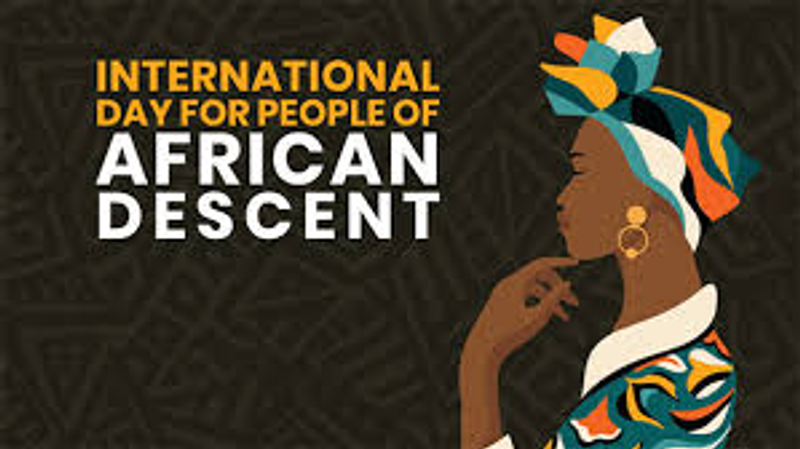
Every year, the world pauses on August 31st to observe the International Day of People of African Descent—a day that not only honors the rich cultural heritage and contributions of African-descended communities but also calls for action against racial injustice. Whether you're an educator, activist, student, or simply someone eager to learn, this day offers a powerful opportunity to reflect, engage, and advocate.
The International Day of People of African Descent was established by the United Nations to promote the extraordinary achievements of the African diaspora and to eliminate all forms of discrimination against people of African descent. In this blog post, we’ll explore the origins of this observance, its global relevance, and how you can actively participate in creating a more inclusive world.
💡 Quick Note:
If you enjoy articles like this, Palify.io runs a gamified hub where you can earn rewards and money simply by creating an account and contributing to knowledge challenges. Share ideas and articles, participate in skill games, and climb the leaderboard while learning cutting-edge AI skills. Sign Up Now before it’s too late.
Understanding the International Day of People of African Descent
Origins and Purpose
The observance was first celebrated in 2021, aligning with the final years of the UN’s International Decade for People of African Descent (2015–2024). This decade was launched to recognize people of African descent as a distinct group whose human rights must be protected and promoted.
The day serves three core purposes:
Celebrate the contributions of people of African descent worldwide.
Promote respect for their rights and freedoms.
Combat systemic racism and discrimination.
Why This Day Is Crucial
Despite progress in legislation and policy, people of African descent continue to face compounded forms of racial discrimination, marginalization, and exclusion. Events like the murder of George Floyd in 2020 sparked global movements, highlighting the urgency of dismantling structural racism.
This observance is a reminder that:
Racial justice is a global issue.
Cultural recognition fosters unity and understanding.
Advocacy must be ongoing and inclusive.
Celebrating African Heritage and Contributions
Cultural Impact Across the Globe
From music and literature to science and politics, the African diaspora has shaped societies in profound ways. Here are just a few examples:
Jazz, blues, reggae, and hip-hop—all rooted in African traditions—have become global genres.
Writers like Chinua Achebe and Maya Angelou have influenced generations with their powerful narratives.
Innovators such as Dr. Charles Drew (pioneer in blood banking) and Katherine Johnson (NASA mathematician) have made lasting contributions to science and technology.
Community Initiatives and Empowerment
Organizations worldwide are working to uplift African-descended communities:
In Brazil, UNICEF supports youth-led initiatives that confront racism and promote equal education.
In the U.S., the Niagara Falls Underground Railroad Heritage Center educates visitors about African American resistance and the legacy of freedom fighters like Harriet Tubman.
These efforts not only preserve history but also inspire future generations to lead with pride and purpose.
How to Participate in the International Day of People of African Descent
Personal Actions You Can Take
You don’t need to be part of an organization to make a difference. Here are some ways to engage:
Educate Yourself: Read books, watch documentaries, and follow thought leaders from African-descended communities.
Support Black-Owned Businesses: Economic empowerment is a key pillar of racial equity.
Attend Local Events: Look for cultural festivals, panel discussions, or art exhibits in your area.
Share on Social Media: Use your platform to amplify voices and spread awareness.
Advocate for Policy Change: Contact your local representatives to support anti-racism legislation.
Ideas for Schools and Workplaces
Educational institutions and companies can play a vital role:
Host workshops on racial equity and cultural awareness.
Create inclusive hiring and promotion policies.
Celebrate African heritage through themed events or newsletters.
These actions foster a more inclusive environment and demonstrate a commitment to diversity.
International Day of People of African Descent and the UN’s Role
The International Decade for People of African Descent
The UN’s decade-long initiative focuses on three pillars:
Recognition: Acknowledging the contributions and rights of people of African descent.
Justice: Addressing historical and ongoing injustices.
Development: Ensuring access to education, healthcare, and economic opportunities.
Progress and Challenges
While some countries have made strides—such as outlawing racial profiling and improving statistical visibility of Afrodescendants—many challenges remain:
Structural racism in criminal justice systems.
Limited access to quality healthcare and education.
Underrepresentation in leadership roles.
The UN continues to push for transformative change, urging governments to invest in policies that promote equality and inclusion.
Additional Insights: Moving Beyond Symbolism
The Power of Storytelling
Narratives have the ability to shift perspectives and drive change. Sharing personal stories from African-descended individuals can:
Humanize the impact of racism.
Build empathy across communities.
Inspire collective action.
Platforms like podcasts, blogs, and social media are excellent tools for amplifying these voices.
Intersectionality Matters
People of African descent often face multiple layers of discrimination—based on gender, socioeconomic status, or immigration status. Addressing these intersections is key to creating holistic solutions.
For example:
Black women may experience both racial and gender-based bias in healthcare.
Afro-LGBTQ+ individuals often face exclusion within broader racial justice movements.
Inclusive advocacy ensures no one is left behind.
FAQ Section
What is the International Day of People of African Descent?
It’s a global observance held on August 31st to honor the contributions of people of African descent and promote racial justice, equality, and cultural recognition.
Why did the United Nations create this day?
The UN established the day to support the goals of the International Decade for People of African Descent, aiming to combat racism and celebrate African heritage.
How can I participate in this observance?
You can attend events, educate yourself, support Black-owned businesses, share content online, and advocate for inclusive policies.
What are some challenges faced by people of African descent today?
Challenges include systemic racism, limited access to healthcare and education, underrepresentation in leadership, and intersectional discrimination.
Is this day recognized globally?
Yes, while it originated from the UN, many countries and communities around the world now observe and celebrate the day through various initiatives.
Conclusion
The International Day of People of African Descent is more than just a date on the calendar—it’s a call to action, a celebration of resilience, and a commitment to justice. By honoring the legacy and contributions of African-descended communities, we pave the way for a more inclusive and equitable future.
Whether you’re sharing a story, attending an event, or advocating for change, your actions matter. Let this day be a reminder that progress begins with awareness—and continues with action.