.BESwkItx.svg)
.BsOtZXJZ.svg)


.DDDvVA6M.svg)

.CXHK89EX.svg)



.DNyc9mlT.svg)
Happy Independence Day Malaysia : History, Celebrations & Cultural Significance
Happy Independence Day Malaysia : A Celebration of Freedom, Unity, and Culture
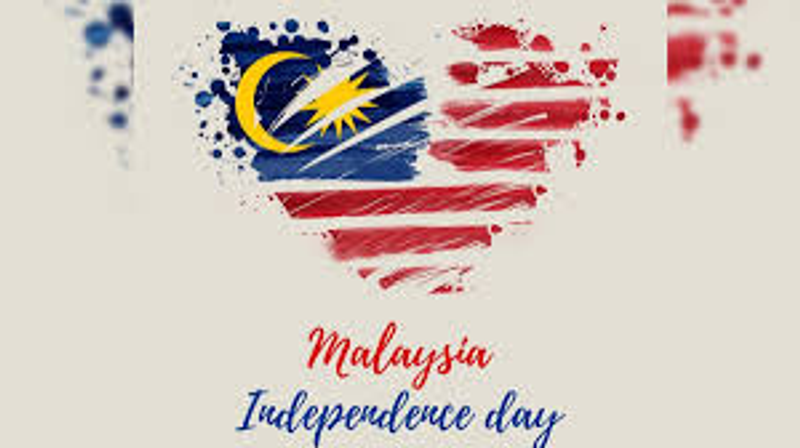
Every year on August 31st, Malaysians across the globe come together to celebrate a momentous occasion—Independence Day, locally known as Hari Merdeka. It’s more than just a public holiday; it’s a heartfelt tribute to the nation’s journey toward freedom, unity, and progress. Whether you're a local, an expat, or simply curious about Malaysian culture, saying “Happy Independence Day Malaysia” is a way to honor the spirit of a proud and diverse nation.
In this blog post, we’ll explore the historical roots of Malaysia’s independence, how the day is celebrated, and how you can participate meaningfully. We’ll also share actionable tips, cultural insights, and answer common questions to help you appreciate this vibrant national event.
💡 Quick Note:
If you enjoy articles like this, Palify.io runs a gamified hub where you can earn rewards and money simply by creating an account and contributing to knowledge challenges. Share ideas and articles, participate in skill games, and climb the leaderboard while learning cutting-edge AI skills. Sign Up Now before it’s too late.
Happy Independence Day Malaysia: A Celebration of Freedom, Unity, and Culture
Every year on August 31st, Malaysians across the globe come together to celebrate a momentous occasion—Independence Day, locally known as Hari Merdeka. It’s more than just a public holiday; it’s a heartfelt tribute to the nation’s journey toward freedom, unity, and progress. Whether you're a local, an expat, or simply curious about Malaysian culture, saying “Happy Independence Day Malaysia” is a way to honor the spirit of a proud and diverse nation.
In this blog post, we’ll explore the historical roots of Malaysia’s independence, how the day is celebrated, and how you can participate meaningfully. We’ll also share actionable tips, cultural insights, and answer common questions to help you appreciate this vibrant national event.
Happy Independence Day Malaysia: Why It Matters
Malaysia’s Independence Day marks the end of British colonial rule and the birth of a sovereign nation. On August 31, 1957, the first Prime Minister, Tunku Abdul Rahman, declared independence at Stadium Merdeka in Kuala Lumpur, famously shouting “Merdeka!” seven times to a jubilant crowd.
Historical Significance
Colonial Past: Malaysia, formerly known as Malaya, was under British rule for over a century.
Path to Freedom: The push for independence gained momentum post-World War II, culminating in peaceful negotiations with the British.
Declaration Day: The official declaration took place on August 31, 1957, making Malaysia a free and independent nation.
Cultural Importance
Independence Day is a symbol of unity among Malaysia’s multi-ethnic population—Malay, Chinese, Indian, and indigenous communities.
It’s a time to reflect on national achievements and envision a shared future.
How Malaysians Celebrate Independence Day
From grand parades to intimate family gatherings, Malaysia’s Independence Day is celebrated with enthusiasm and pride.
National-Level Celebrations
Merdeka Parade: Held in major cities, especially Kuala Lumpur, featuring military marches, cultural performances, and floats.
Flag Raising Ceremony: The Jalur Gemilang (national flag) is hoisted with the national anthem, Negaraku, playing in the background.
Fireworks Display: Dazzling shows light up the night sky in urban centers.
Community & Personal Celebrations
School Events: Students participate in essay competitions, art displays, and patriotic songs.
Decorations: Homes and businesses are adorned with flags, buntings, and lights.
Social Media Tributes: Malaysians share messages, videos, and photos with hashtags like #HariMerdeka and #MalaysiaPrihatin.
Happy Independence Day Malaysia: Ways to Join the Celebration
Whether you're in Malaysia or abroad, there are plenty of ways to engage with the festivities.
Attend Local Events
Check your city’s event calendar for parades, concerts, and exhibitions.
Join cultural workshops that showcase traditional Malaysian crafts and cuisine.
Share Patriotic Messages
Post a heartfelt “Happy Independence Day Malaysia” message on social media.
Create multilingual greetings in Malay, English, Tamil, and Mandarin to reflect Malaysia’s diversity.
Support Local Businesses
Buy from Malaysian artisans or food vendors during the holiday.
Promote Malaysian-made products using hashtags like #SupportLocalMY.
Educate Yourself and Others
Read about Malaysia’s history and independence movement.
Share educational content with friends and family to spread awareness.
Symbols of Malaysian Independence
Understanding the symbols associated with Independence Day adds depth to the celebration.
Jalur Gemilang (National Flag)
Red, white, blue, and yellow represent unity, purity, loyalty, and sovereignty.
The 14 stripes and points symbolize the equal status of the 13 states and federal territories.
National Anthem: Negaraku
Sung during official ceremonies and school assemblies.
Evokes pride and patriotism among Malaysians.
Tunku Abdul Rahman’s “Merdeka” Chant
A defining moment in Malaysian history.
Often replayed during Independence Day broadcasts and documentaries.
Additional Insights: Deepening Your Connection to Merdeka
Let’s go beyond the surface and explore how Independence Day can be a catalyst for reflection and growth.
Embracing Multiculturalism
Malaysia’s strength lies in its diversity. Independence Day is a reminder to celebrate cultural harmony.
Attend interfaith events or multicultural festivals.
Learn greetings and customs from different ethnic groups.
Promoting Civic Engagement
Use the day to inspire positive change.
Volunteer for community clean-ups or charity drives.
Discuss national issues constructively with peers.
Creating Inclusive Content
If you're a content creator, use this opportunity to craft inclusive, accessible posts.
Add alt text to images for visually impaired users.
Translate your content into multiple languages to reach broader audiences.
FAQ Section
What is the significance of saying “Happy Independence Day Malaysia”?
It’s a way to honor Malaysia’s journey to freedom and express solidarity with its people. The phrase carries emotional and historical weight, especially on August 31st.
How is Independence Day different from Malaysia Day?
Independence Day (August 31) marks the end of British rule in 1957. Malaysia Day (September 16) commemorates the formation of Malaysia in 1963, when Sabah, Sarawak, and Singapore joined Malaya.
Can foreigners participate in Malaysia’s Independence Day celebrations?
Absolutely! Visitors are welcome to join public events, share greetings, and learn about Malaysian culture. It’s a great way to connect with locals and appreciate the nation’s heritage.
What are some popular Independence Day hashtags?
Common hashtags include #HariMerdeka, #MalaysiaPrihatin, #Merdeka2025, and #HappyIndependenceDayMalaysia. These help amplify patriotic messages online.
How can I teach kids about Malaysia’s Independence Day?
Use storytelling, crafts, and interactive games. Encourage them to draw the national flag, sing the anthem, or watch animated videos about Malaysia’s history.
Conclusion
Malaysia’s Independence Day is more than a date—it’s a celebration of resilience, unity, and cultural richness. Whether you’re waving the Jalur Gemilang at a parade or posting a heartfelt “Happy Independence Day Malaysia” online, your participation adds to the collective pride of a nation that has come a long way.
💡 Quick Note:
If you enjoy articles like this, Palify.io runs a gamified hub where you can earn rewards and money simply by creating an account and contributing to knowledge challenges. Share ideas and articles, participate in skill games, and climb the leaderboard while learning cutting-edge AI skills. Sign Up Now before it’s too late.
Happy Independence Day Malaysia: Why It Matters
Malaysia’s Independence Day marks the end of British colonial rule and the birth of a sovereign nation. On August 31, 1957, the first Prime Minister, Tunku Abdul Rahman, declared independence at Stadium Merdeka in Kuala Lumpur, famously shouting “Merdeka!” seven times to a jubilant crowd.
Historical Significance
Colonial Past: Malaysia, formerly known as Malaya, was under British rule for over a century.
Path to Freedom: The push for independence gained momentum post-World War II, culminating in peaceful negotiations with the British.
Declaration Day: The official declaration took place on August 31, 1957, making Malaysia a free and independent nation.
Cultural Importance
Independence Day is a symbol of unity among Malaysia’s multi-ethnic population—Malay, Chinese, Indian, and indigenous communities.
It’s a time to reflect on national achievements and envision a shared future.
How Malaysians Celebrate Independence Day
From grand parades to intimate family gatherings, Malaysia’s Independence Day is celebrated with enthusiasm and pride.
National-Level Celebrations
Merdeka Parade: Held in major cities, especially Kuala Lumpur, featuring military marches, cultural performances, and floats.
Flag Raising Ceremony: The Jalur Gemilang (national flag) is hoisted with the national anthem, Negaraku, playing in the background.
Fireworks Display: Dazzling shows light up the night sky in urban centers.
Community & Personal Celebrations
School Events: Students participate in essay competitions, art displays, and patriotic songs.
Decorations: Homes and businesses are adorned with flags, buntings, and lights.
Social Media Tributes: Malaysians share messages, videos, and photos with hashtags like #HariMerdeka and #MalaysiaPrihatin.
Happy Independence Day Malaysia: Ways to Join the Celebration
Whether you're in Malaysia or abroad, there are plenty of ways to engage with the festivities.
Attend Local Events
Check your city’s event calendar for parades, concerts, and exhibitions.
Join cultural workshops that showcase traditional Malaysian crafts and cuisine.
Share Patriotic Messages
Post a heartfelt “Happy Independence Day Malaysia” message on social media.
Create multilingual greetings in Malay, English, Tamil, and Mandarin to reflect Malaysia’s diversity.
Support Local Businesses
Buy from Malaysian artisans or food vendors during the holiday.
Promote Malaysian-made products using hashtags like #SupportLocalMY.
Educate Yourself and Others
Read about Malaysia’s history and independence movement.
Share educational content with friends and family to spread awareness.
Symbols of Malaysian Independence
Understanding the symbols associated with Independence Day adds depth to the celebration.
Jalur Gemilang (National Flag)
Red, white, blue, and yellow represent unity, purity, loyalty, and sovereignty.
The 14 stripes and points symbolize the equal status of the 13 states and federal territories.
National Anthem: Negaraku
Sung during official ceremonies and school assemblies.
Evokes pride and patriotism among Malaysians.
Tunku Abdul Rahman’s “Merdeka” Chant
A defining moment in Malaysian history.
Often replayed during Independence Day broadcasts and documentaries.
Additional Insights: Deepening Your Connection to Merdeka
Let’s go beyond the surface and explore how Independence Day can be a catalyst for reflection and growth.
Embracing Multiculturalism
Malaysia’s strength lies in its diversity. Independence Day is a reminder to celebrate cultural harmony.
Attend interfaith events or multicultural festivals.
Learn greetings and customs from different ethnic groups.
Promoting Civic Engagement
Use the day to inspire positive change.
Volunteer for community clean-ups or charity drives.
Discuss national issues constructively with peers.
Creating Inclusive Content
If you're a content creator, use this opportunity to craft inclusive, accessible posts.
Add alt text to images for visually impaired users.
Translate your content into multiple languages to reach broader audiences.
FAQ Section
What is the significance of saying “Happy Independence Day Malaysia”?
It’s a way to honor Malaysia’s journey to freedom and express solidarity with its people. The phrase carries emotional and historical weight, especially on August 31st.
How is Independence Day different from Malaysia Day?
Independence Day (August 31) marks the end of British rule in 1957. Malaysia Day (September 16) commemorates the formation of Malaysia in 1963, when Sabah, Sarawak, and Singapore joined Malaya.
Can foreigners participate in Malaysia’s Independence Day celebrations?
Absolutely! Visitors are welcome to join public events, share greetings, and learn about Malaysian culture. It’s a great way to connect with locals and appreciate the nation’s heritage.
What are some popular Independence Day hashtags?
Common hashtags include #HariMerdeka, #MalaysiaPrihatin, #Merdeka2025, and #HappyIndependenceDayMalaysia. These help amplify patriotic messages online.
How can I teach kids about Malaysia’s Independence Day?
Use storytelling, crafts, and interactive games. Encourage them to draw the national flag, sing the anthem, or watch animated videos about Malaysia’s history.
Conclusion
Malaysia’s Independence Day is more than a date—it’s a celebration of resilience, unity, and cultural richness. Whether you’re waving the Jalur Gemilang at a parade or posting a heartfelt “Happy Independence Day Malaysia” online, your participation adds to the collective pride of a nation that has come a long way.